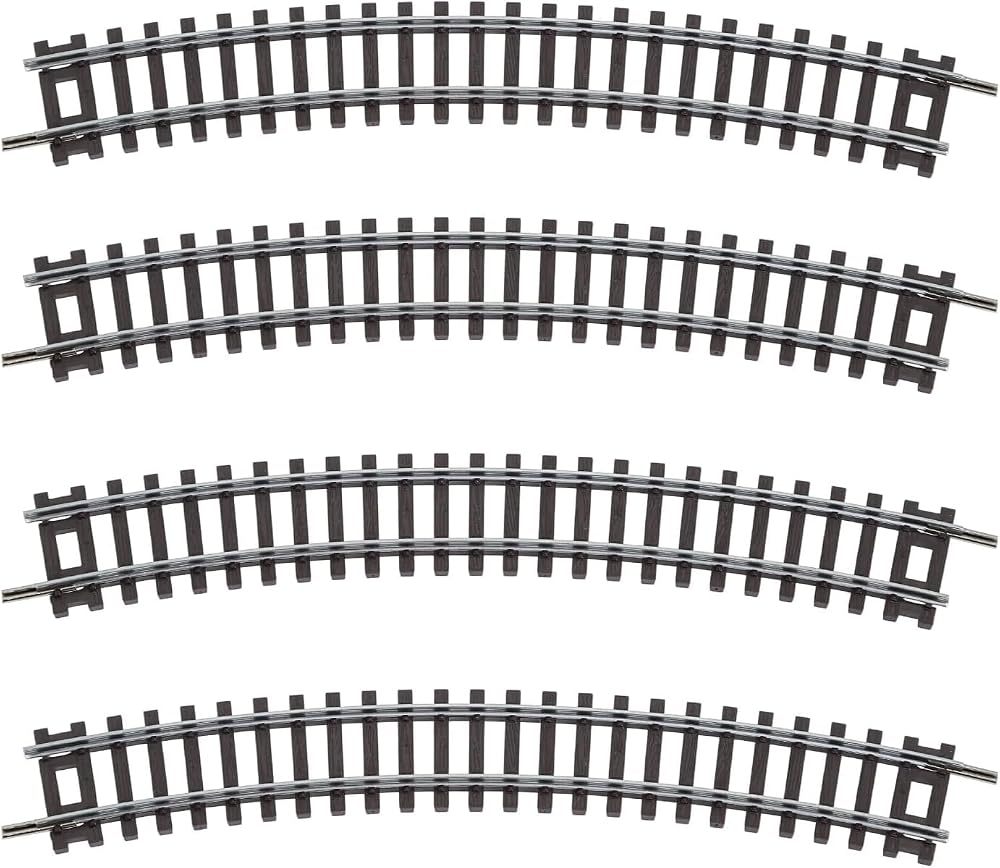
R2 Curve, 358 mm Radius, 30 Degrees
Track and Scenery drawer
4.8 out of 5 on the product listing
$19.99
An R2 curve at 358 mm radius, thirty degrees of arc — the tight standard radius.
Stock and the price you pay are shown on the product listing.
In the pack
- R2 radius ideal for standard curves A common radius used for smooth mid range layout turns
- Corrosion‑free nickel‑silver rails provide reliable, uninterrupted current flow
- Detailed sleepers (non‑wood) mimic prototype tie spacing for realism
- Designed to work with HO DC track systems from major brands
On the bench
R2 is the radius that fits where nothing else will. At three hundred and fifty-eight millimetres it turns inside the space most tabletops allow, and twelve sections make a complete circle. Short locomotives and forty foot freight cars handle it comfortably; long passenger cars and six axle diesels will overhang noticeably, which is worth knowing before you plan a mainline around it.
How it behaves in a build
The rail is corrosion free nickel silver so current flows uninterrupted through the curve, and the sleepers reproduce prototype tie spacing in a non wood material that stays dimensionally stable. Mixing radii on one layout is normal and sensible: use R2 where space is tight and something larger where the train is on show. The sections join to the rest of this system with standard joiners.
Fit and compatibility
HO gauge, 358 mm radius, 30 degree arc; twelve sections form a full circle.
More from the Track and Scenery drawer
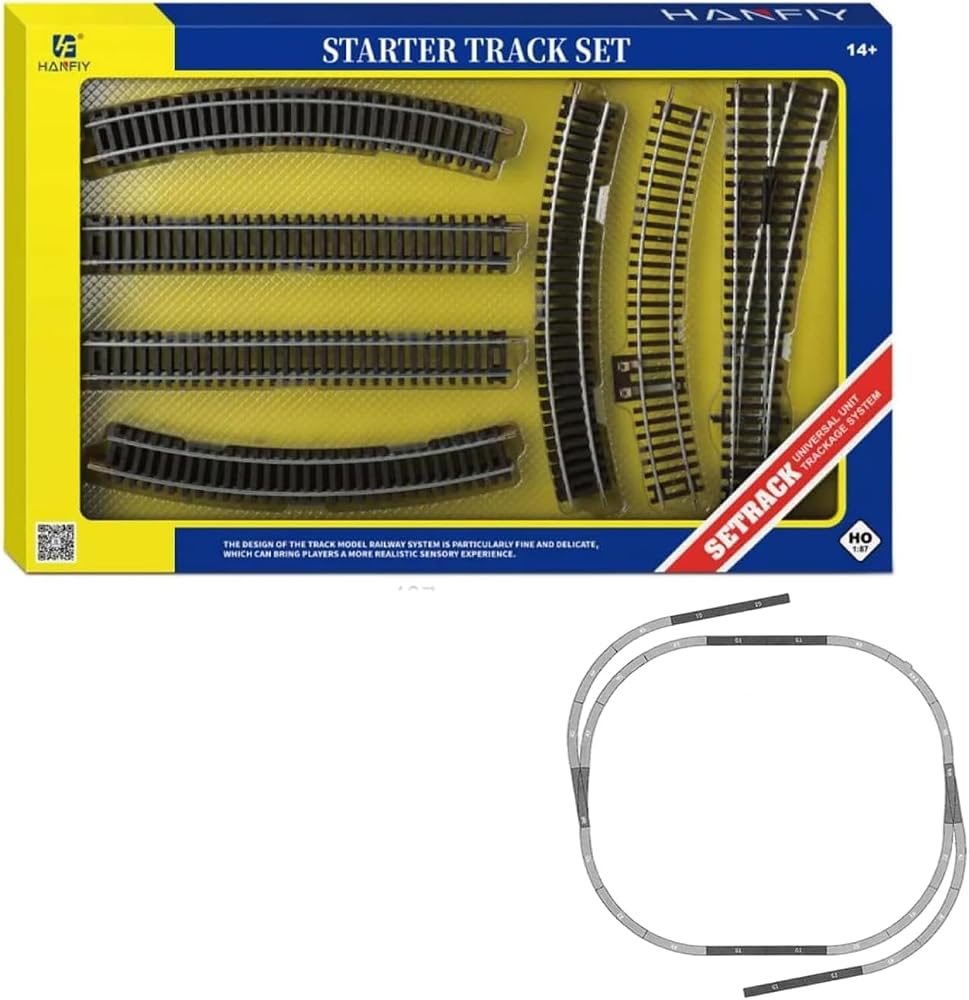 28-Piece Nickel Silver Track Set$76.794.4 ★
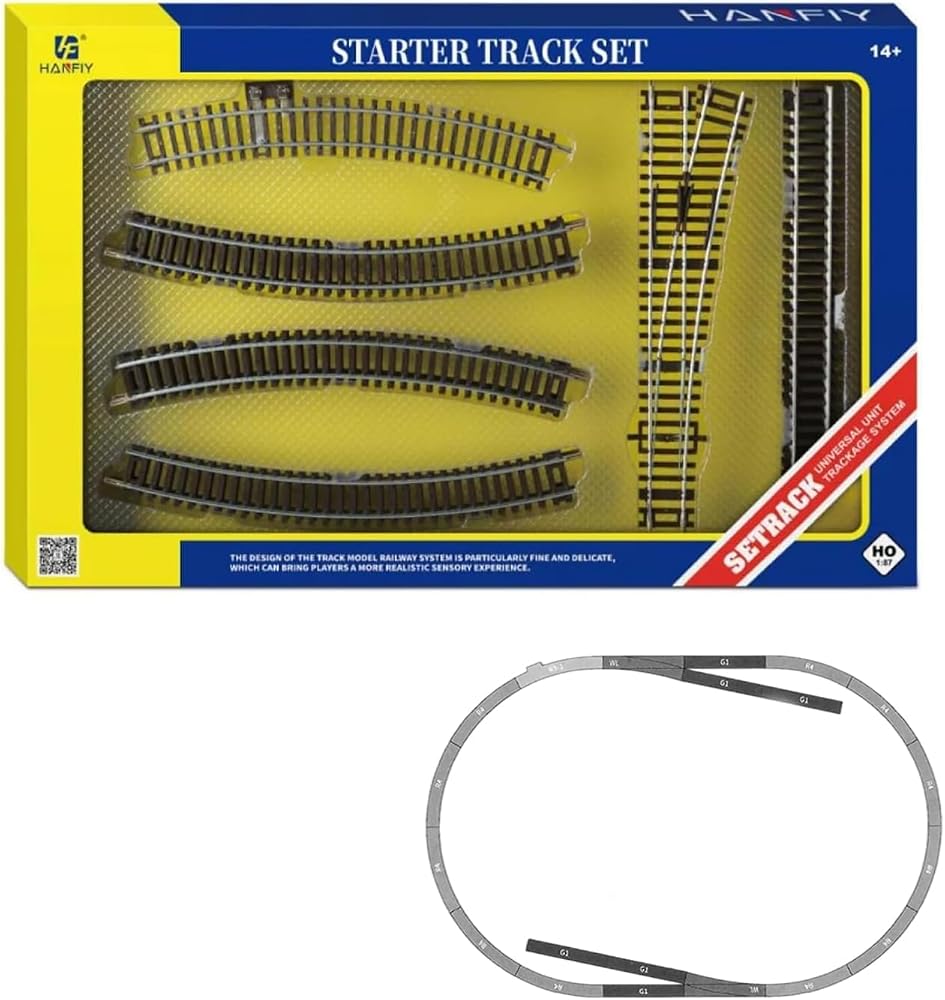 20-Piece Nickel Silver Track Set$76.794.3 ★
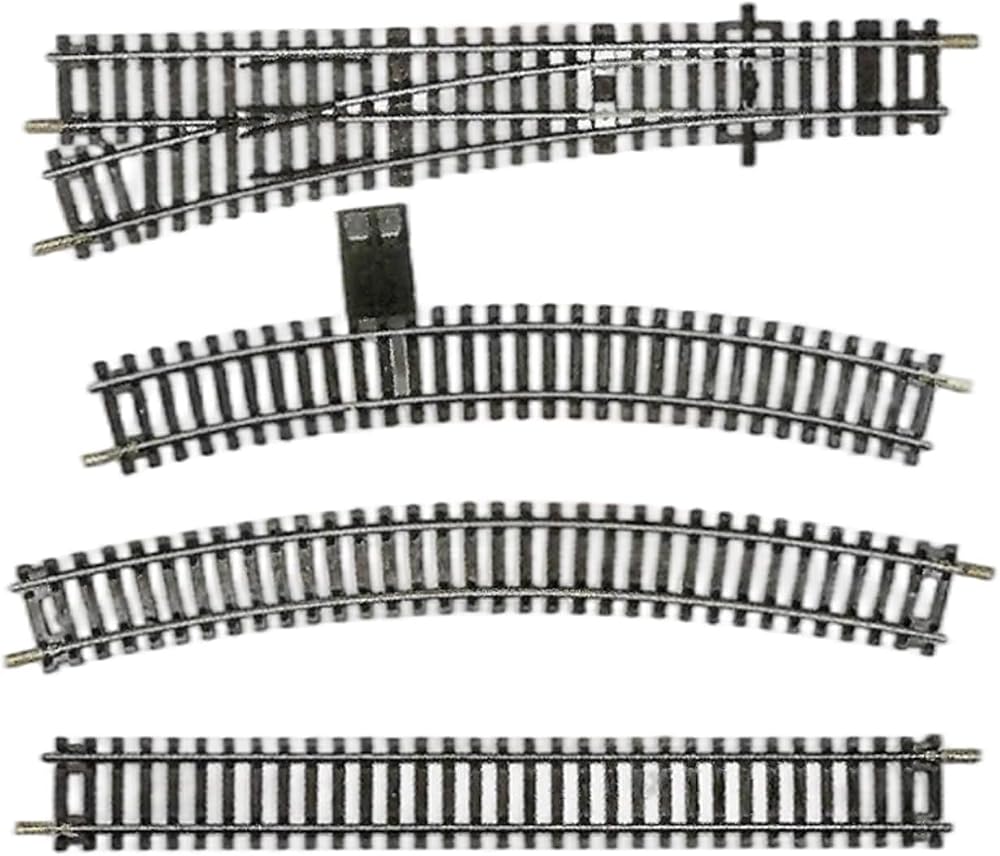 18-Piece Nickel Silver Track Set$68.794.3 ★
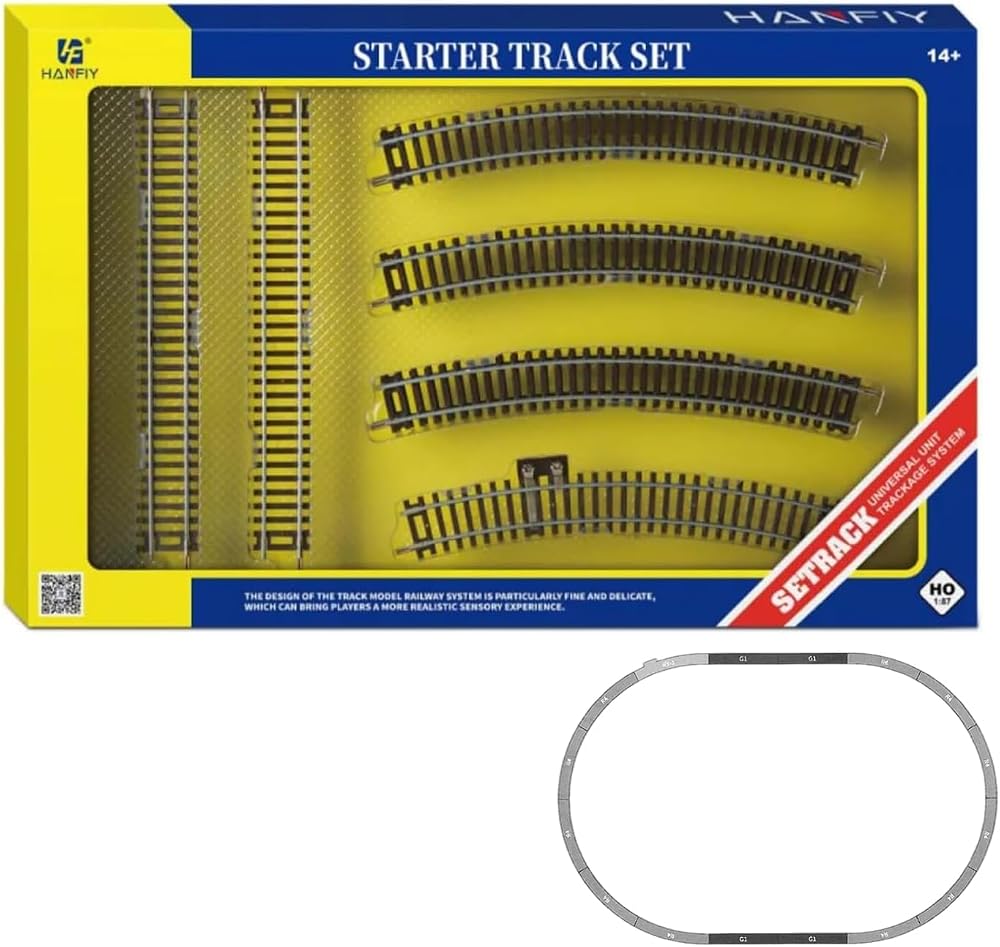 16-Piece Nickel Silver Track Set$56.994.3 ★
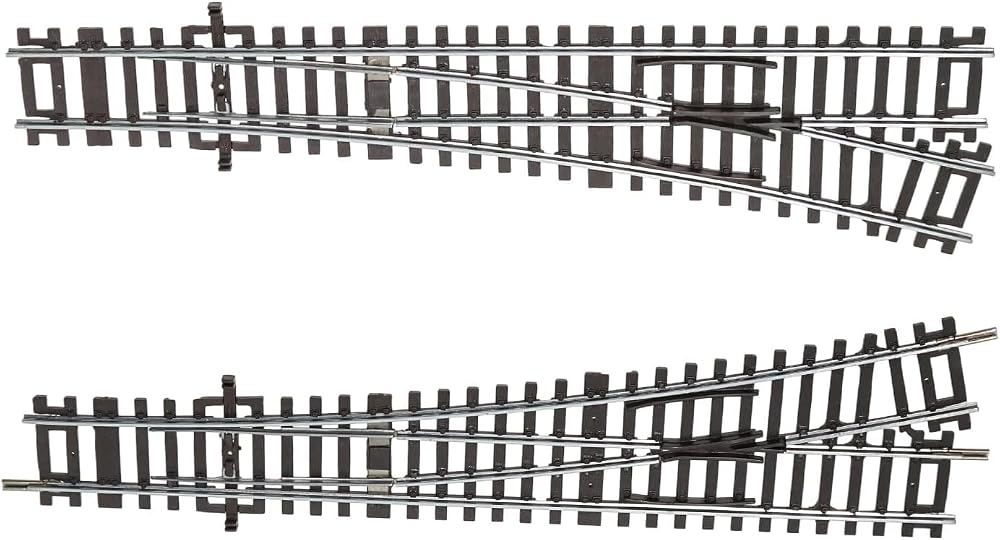 Left and Right Turnout, 15 Degrees$30.994.4 ★
More ASTEM technic parts: gears, axles and compatible building block sets
Everything else in the collection is in the same ten drawers, a click from here. Our technic building set parts are cut to the standard module, so a technic gear, an axle or a pin out of this pack is compatible with the LEGO® system pieces you already own. Most of what we fix comes from builders writing in; a customer note about the experience of opening a bag beats any lab test.
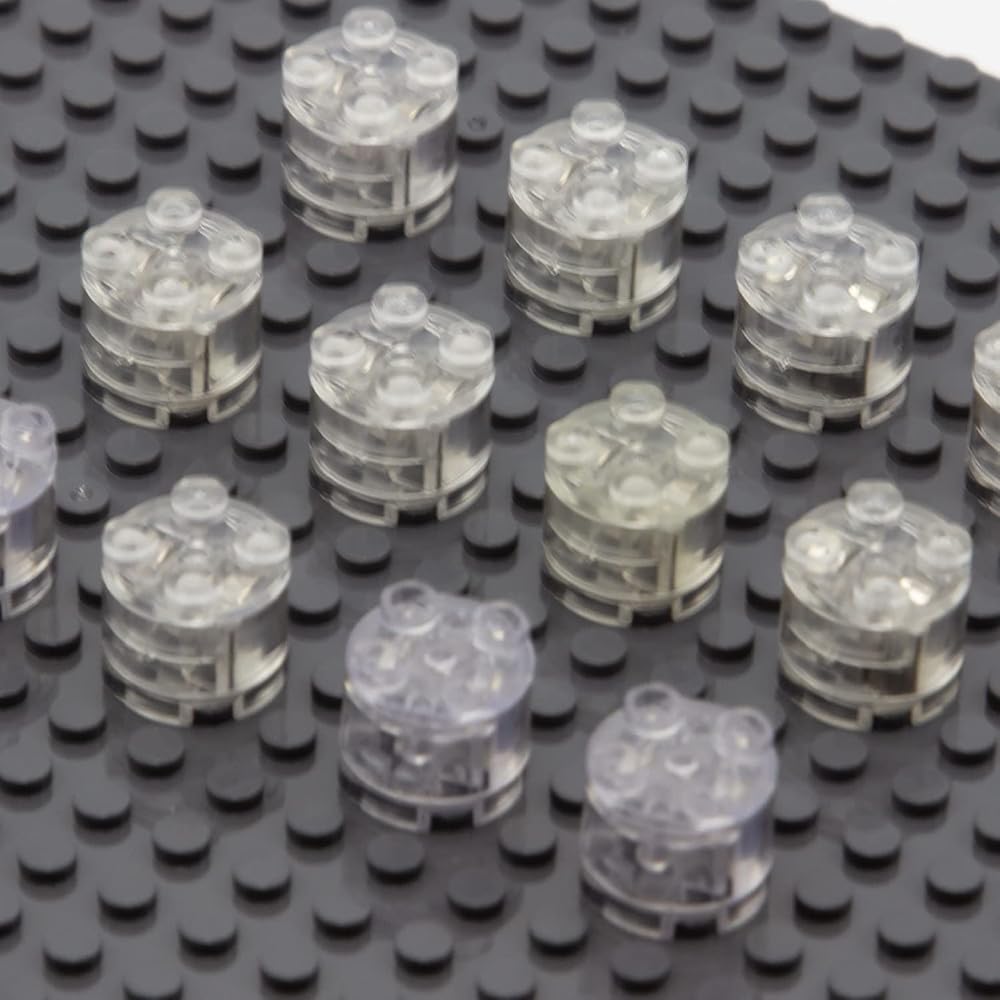 2x2 Light-Up Bricks, Mixed Colours, 12 Pieces$12.992.9 ★ · 5
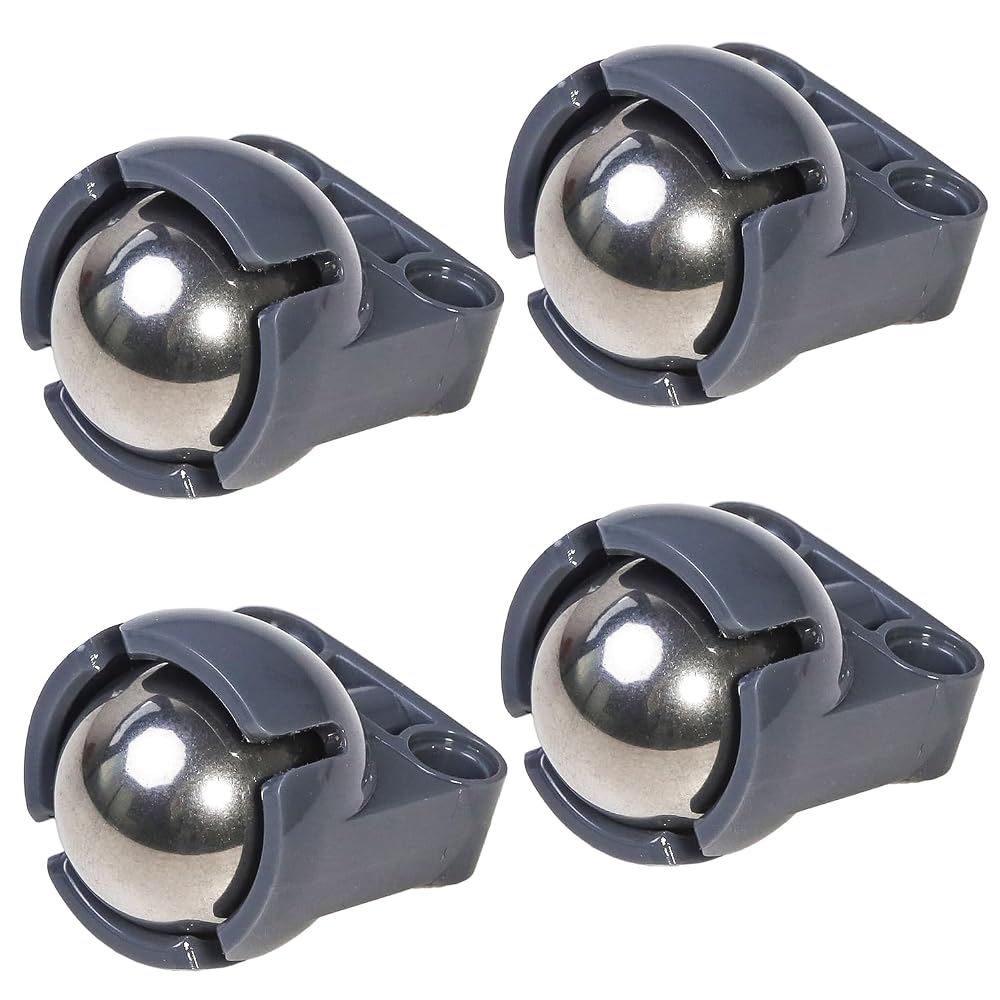 18 mm Steel Ball and Socket Joints, 4 Pieces$11.994.5 ★
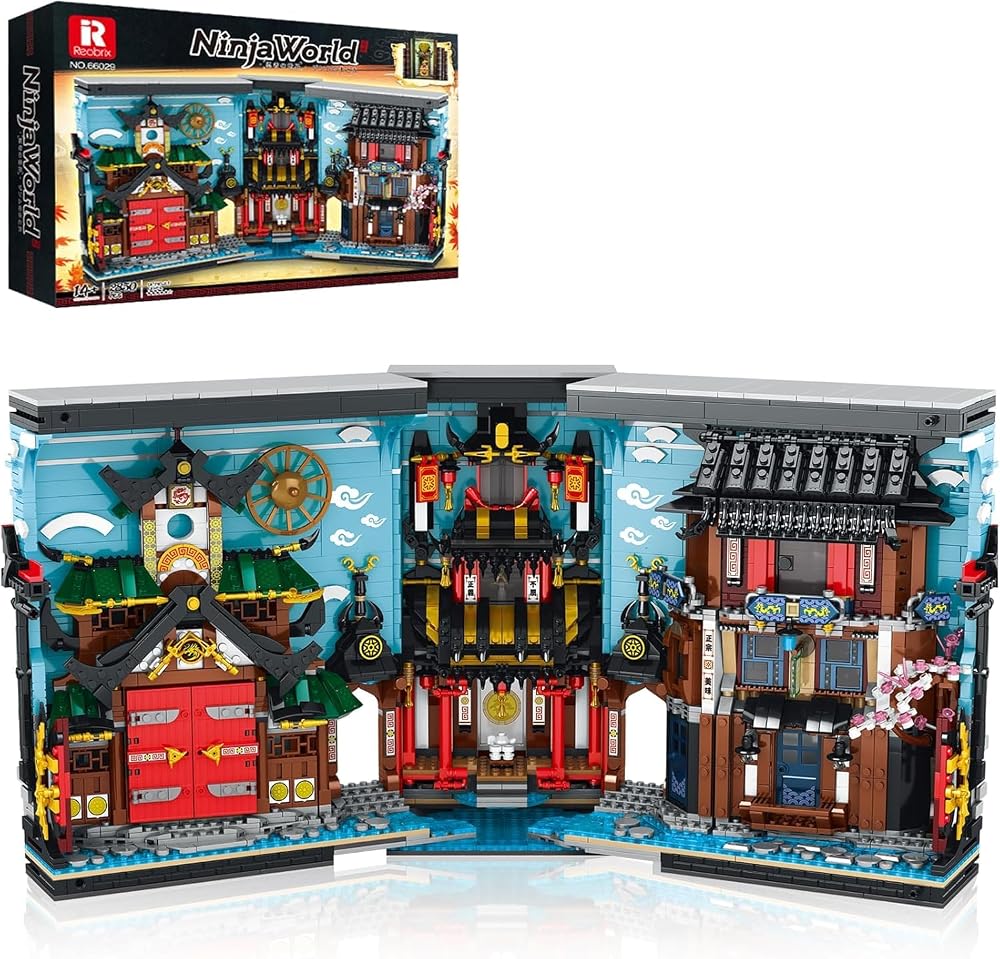 Folding Bookend Build with Lamp, 3086 Pieces$149.994.4 ★
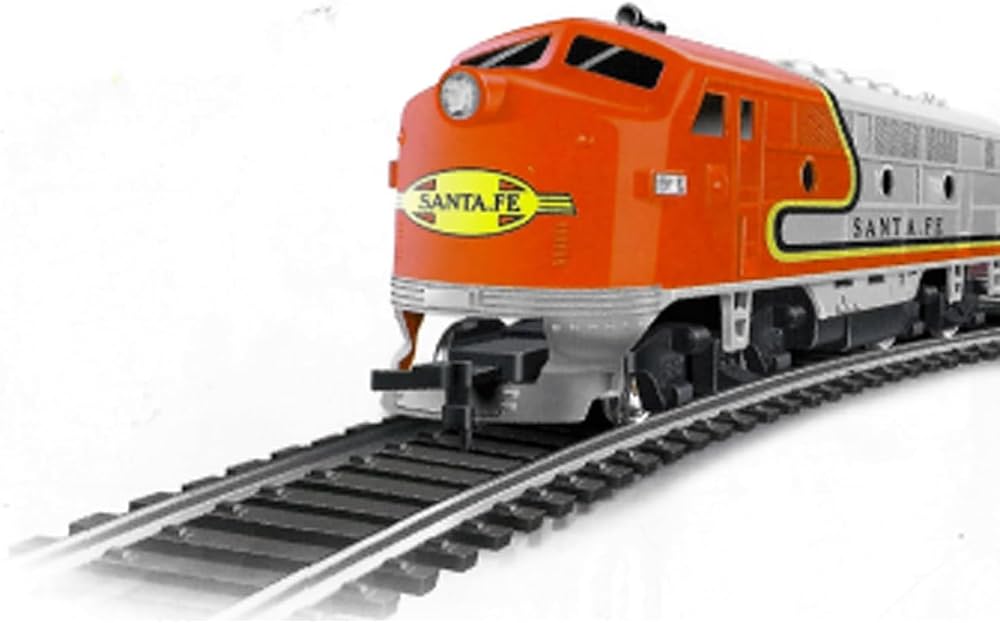 FP7 Warbonnet Bulldog Nose Diesel, 14 V$97.994.4 ★
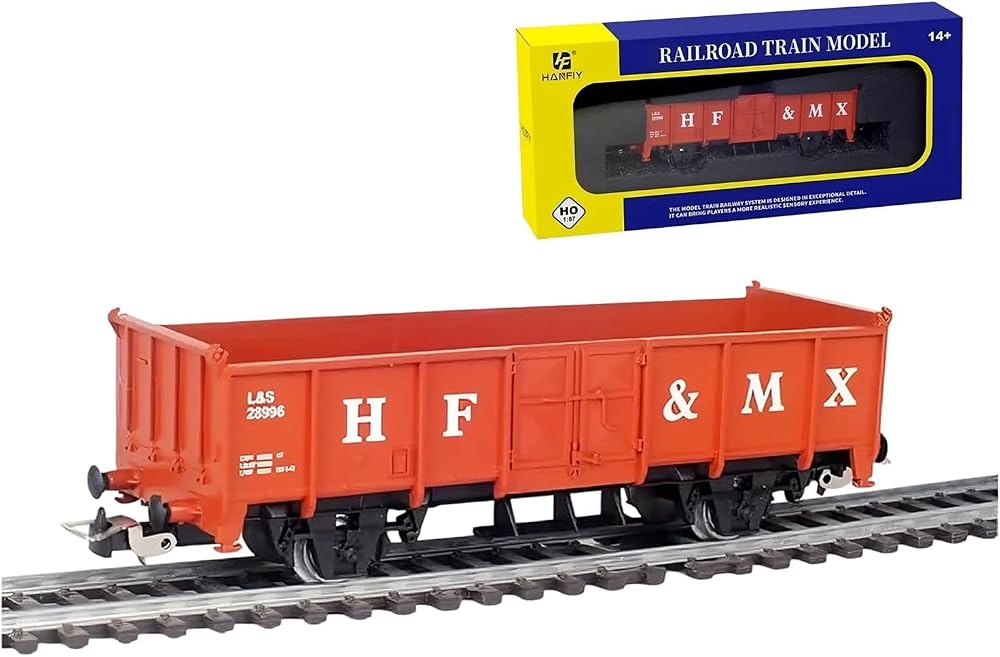 Red Gondola Open-Top Freight Car$36.994.4 ★