Pins that hold and pins that turn
Half the problems in a technic frame come down to using the wrong pin in the right hole. The parts look almost identical in a drawer, and they do completely different jobs.
Two pins, two jobs
A friction pin has fine ribs along the barrel and grips the hole it is pushed into. That is the pin you want everywhere the frame must stay rigid: joining beams, closing a box section, holding a panel. A free-turning pin is smooth and lets the beam pivot around it, which is what a suspension arm or a folding linkage needs. Build a chassis entirely from free pins and it will rack like a cardboard box; build a linkage entirely from friction pins and nothing will move at all.
Axle holes are not pin holes
A pin hole is round. An axle hole is a cross, and a cross axle pushed into it cannot rotate — that is the point. Beginners often solve a wobble by forcing an axle through a round hole, which works until the load arrives and the axle starts spinning freely inside a hole it has polished. If a part has to transmit rotation, it goes in a cross hole; if it has to let something spin, it goes in a round hole with a bush either side to stop it wandering.
How much push is the right push
A good friction pin goes home with a firm click and a noticeable resistance in the last two millimetres. If it slides in silently, the hole is worn or the pin is tired; if you need a tool, something is out of tolerance. We test our runs against both new bricks and heavily rebuilt ones, because a pin that is perfect in a fresh brick can be too tight in a brick that has never been apart.
When a part is finished
Plastic parts do age. A friction pin that has been pushed in and pulled out a few hundred times loses its ribs; a bush that has carried a geared load runs oval. Neither failure is dramatic, which is why they are easy to miss — the model simply gets looser every month. Keep a small pile for the ones that no longer grip and use them where it does not matter, inside a non-structural panel or as a spacer.
Parts for this job
There is more on this bench than one drawer: the ASTEM collection runs from loose cogs to a finished layout. Every technic building set we pack is LEGO® compatible in the plain sense — the technic gear module, the cross axle section and the pin diameter all match what is already in your bin. Most of what we fix comes from builders writing in; a customer note about the experience of opening a bag beats any lab test.
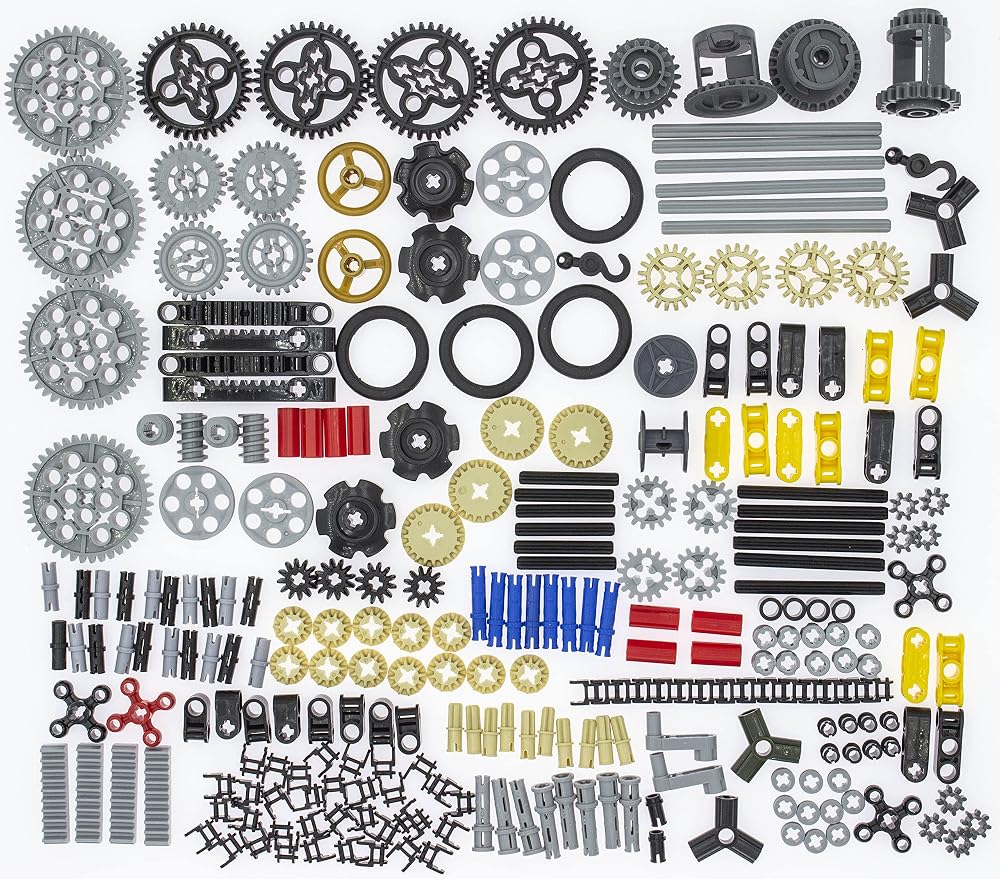 270-Piece Gear, Differential and Rack Set$19.994.6 ★ · 56
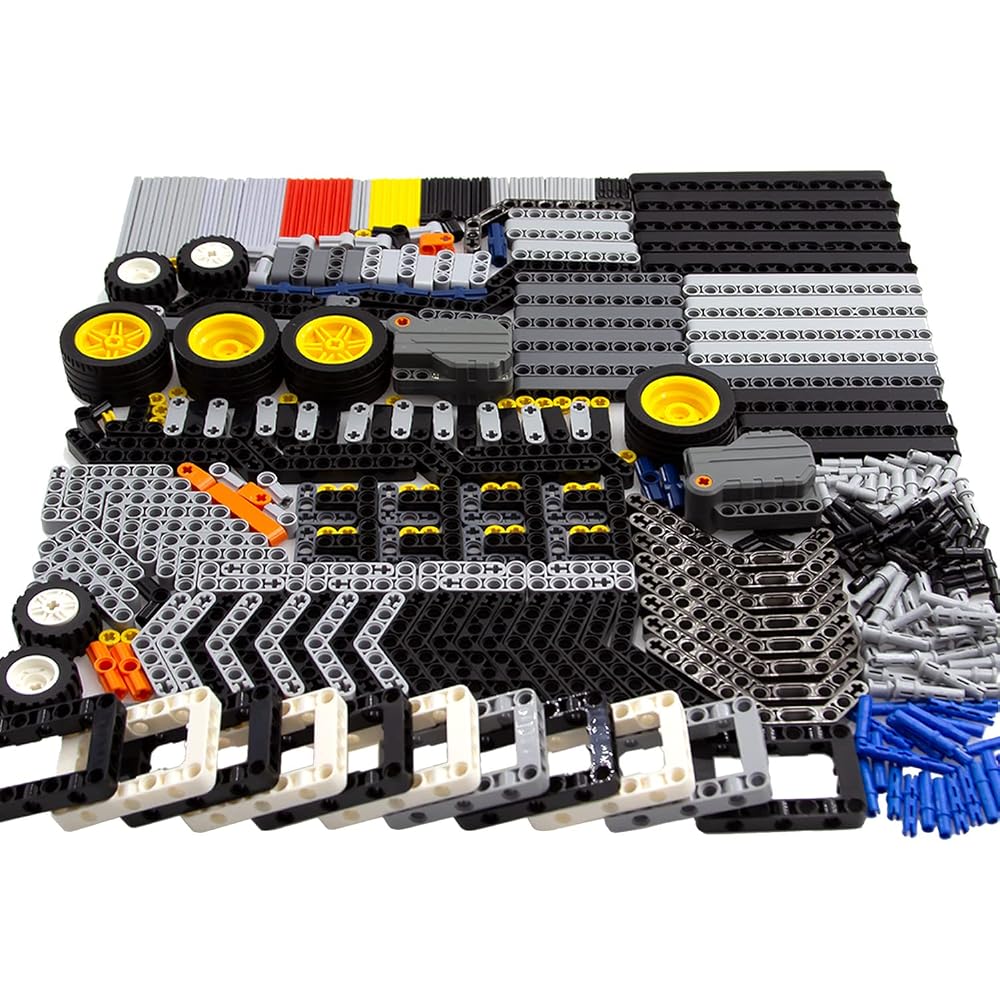 413-Piece EV3 Replacement Parts Group$29.994.7 ★ · 449
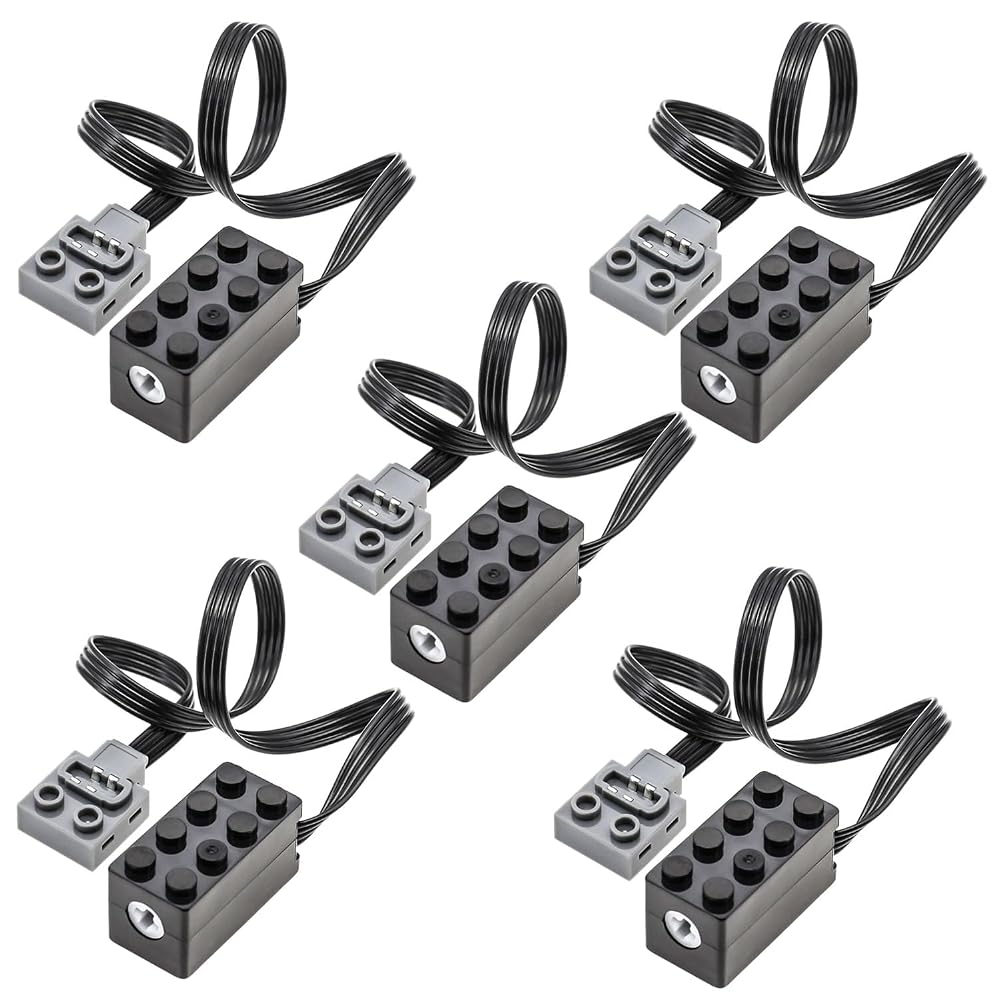 5-Piece Power Function Engine Kit$39.994.8 ★ · 6
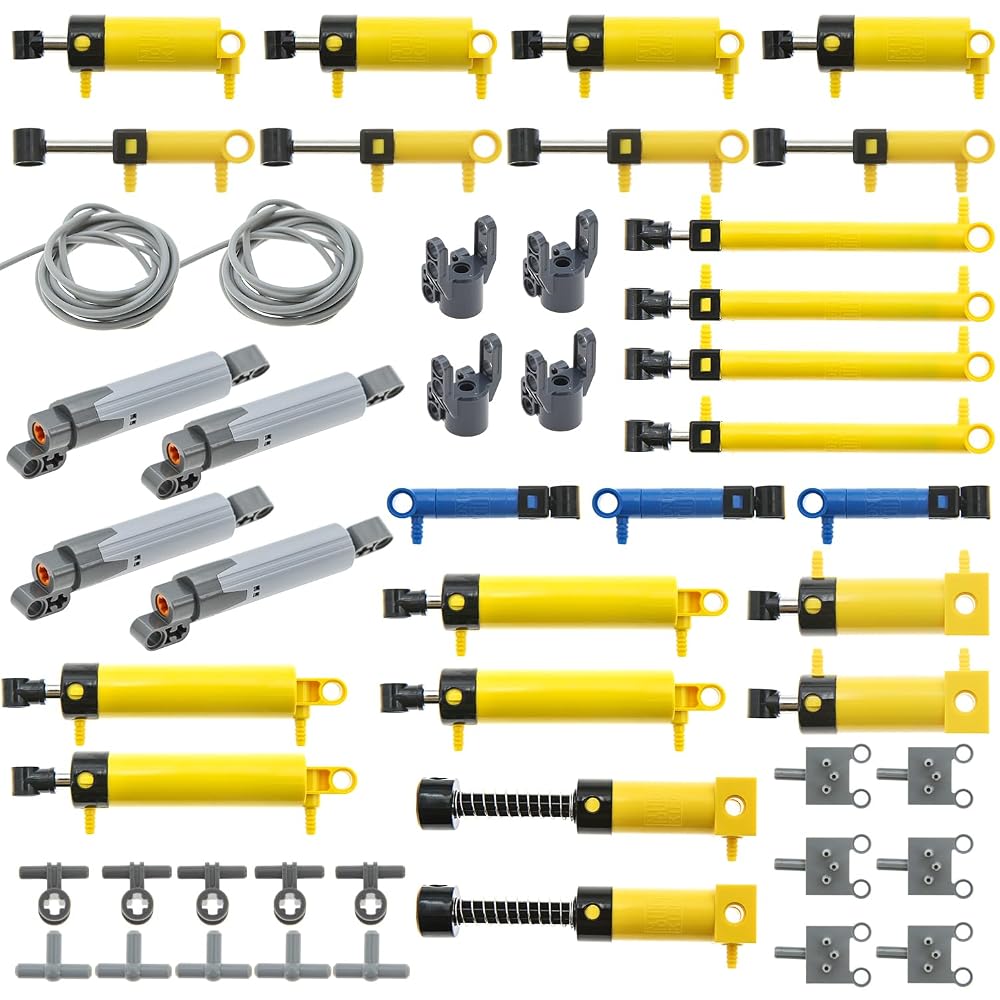 49-Piece Pneumatic Cylinder and Pump Kit$113.695.0 ★ · 1
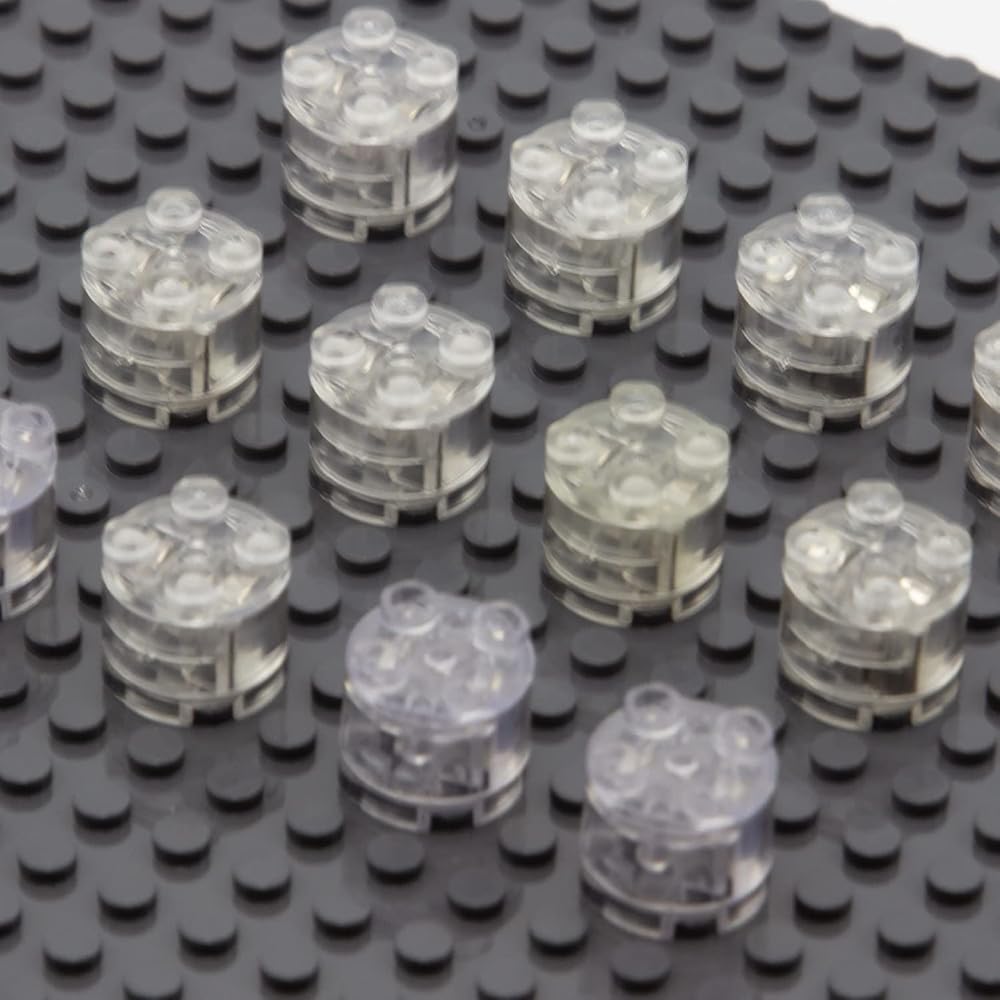 2x2 Light-Up Bricks, Mixed Colours, 12 Pieces$12.992.9 ★ · 5
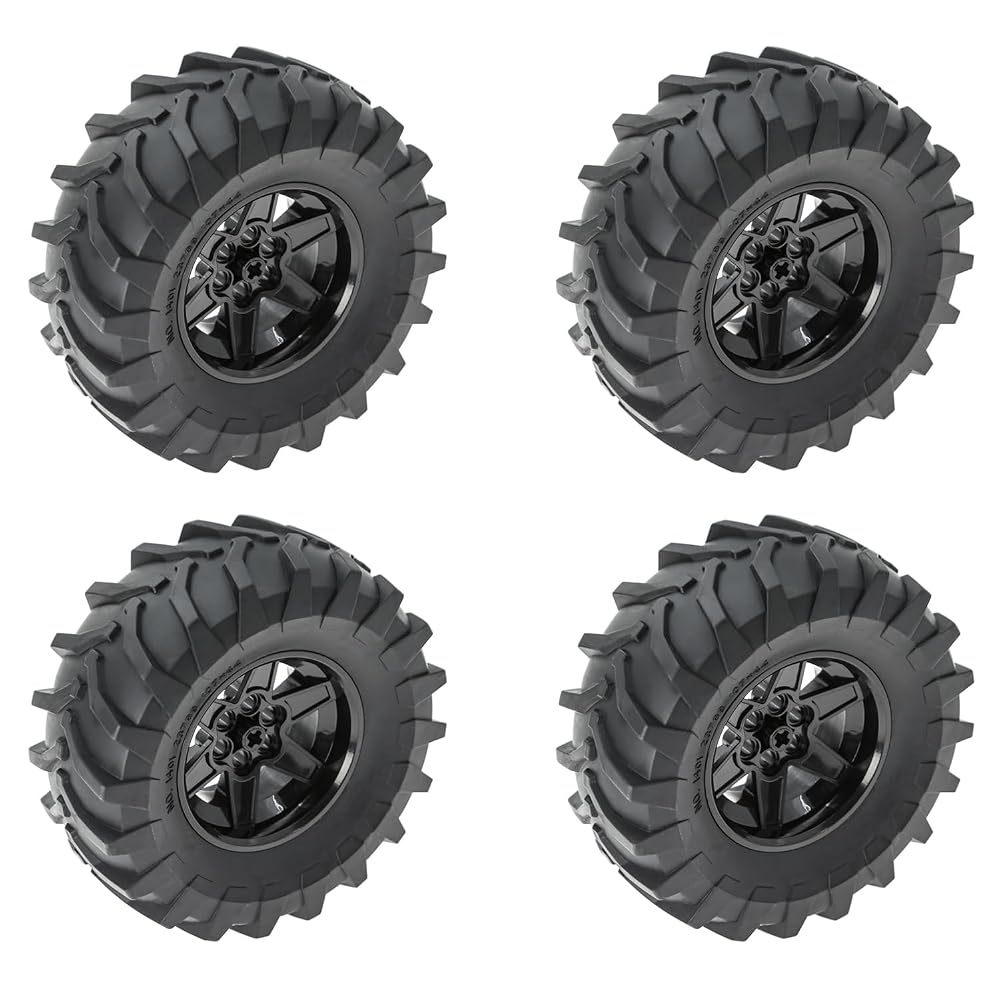 4-Piece Wheel Set, 15038 and 23798 Pattern$26.994.5 ★ · 16
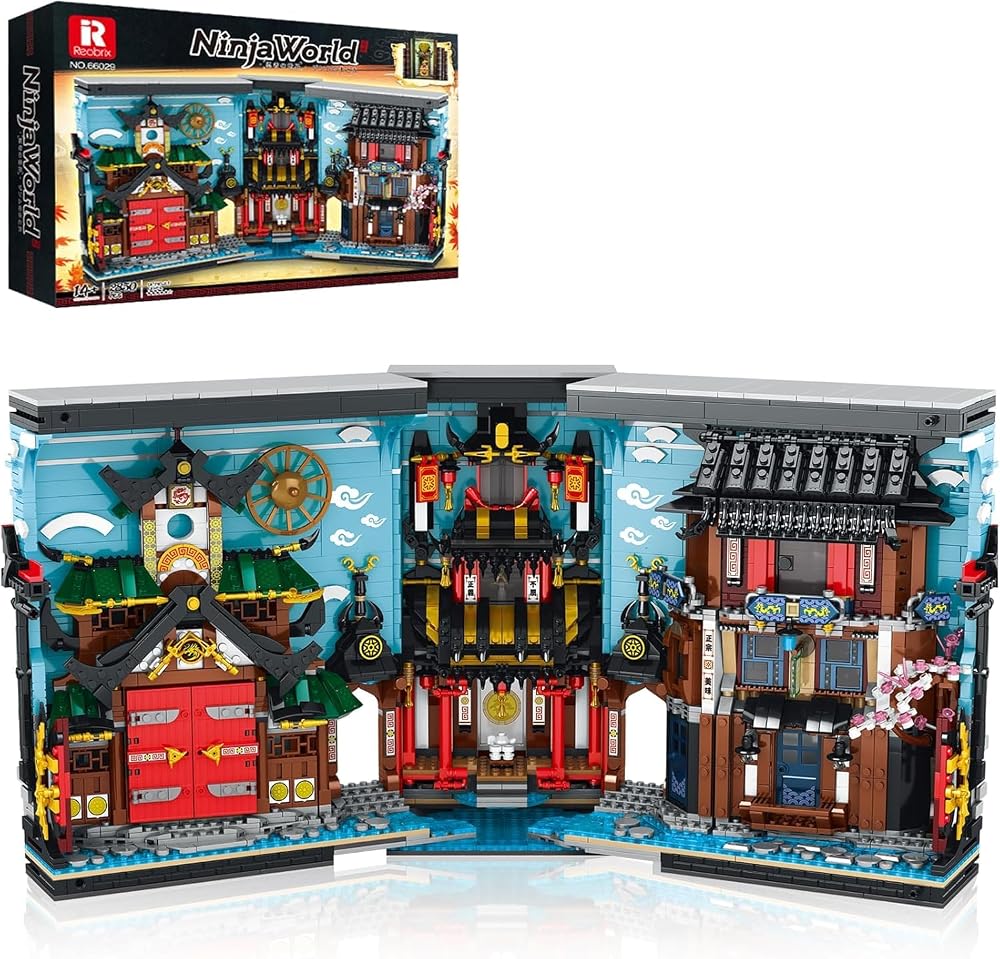 Folding Bookend Build with Lamp, 3086 Pieces$149.994.4 ★
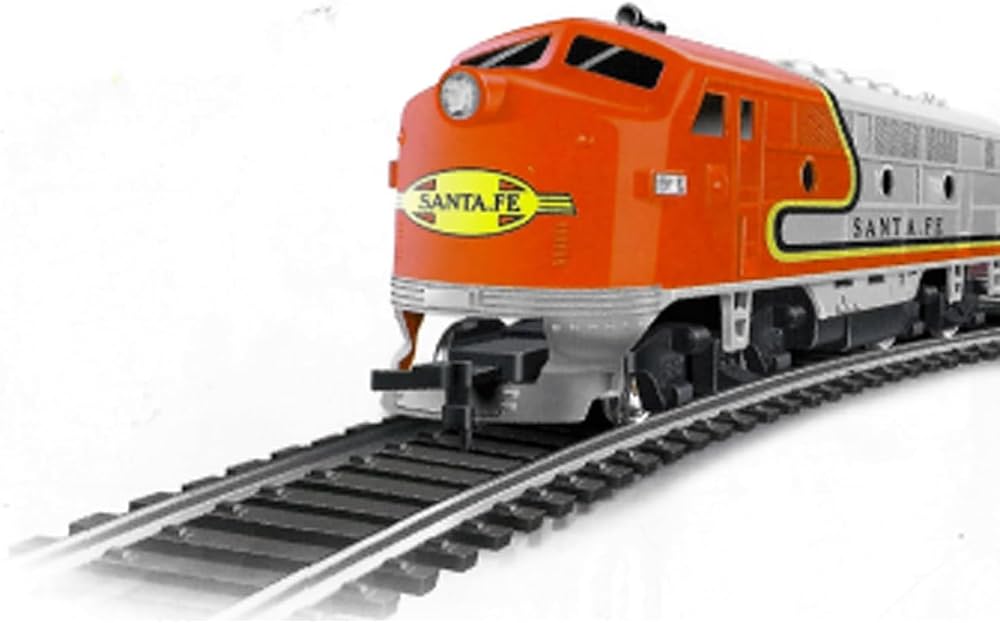 FP7 Warbonnet Bulldog Nose Diesel, 14 V$97.994.4 ★
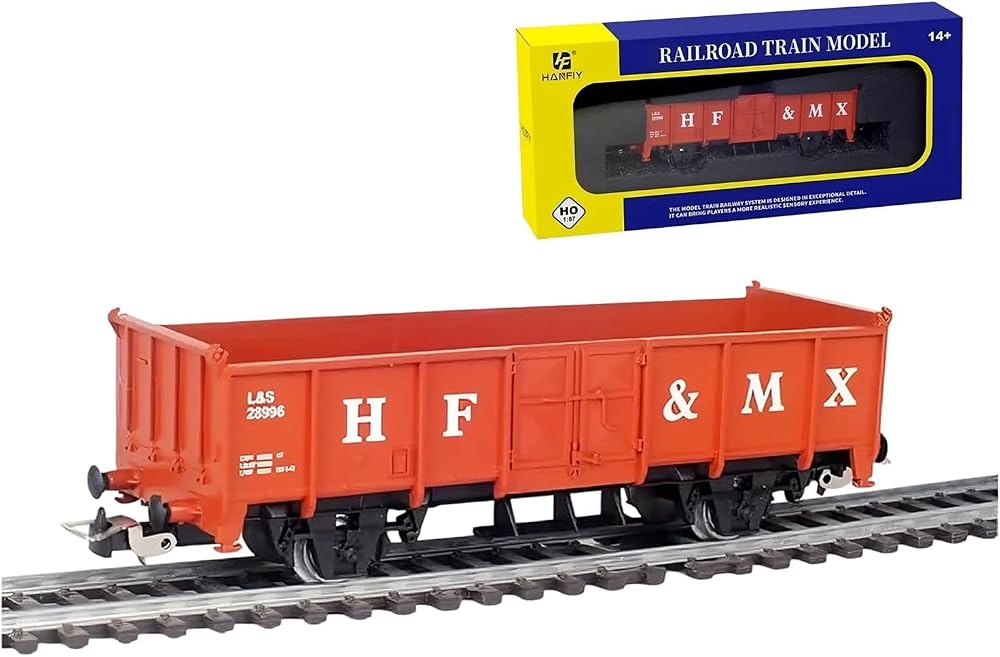 Red Gondola Open-Top Freight Car$36.994.4 ★
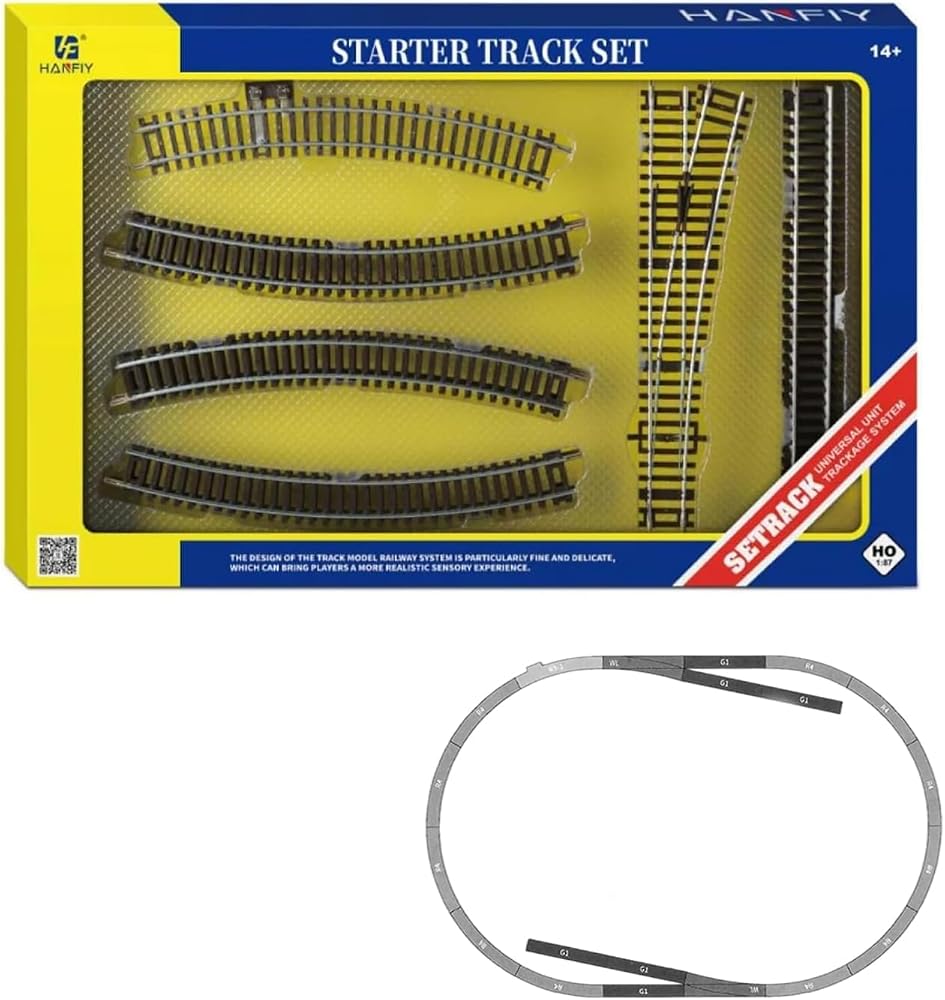 20-Piece Nickel Silver Track Set$76.794.3 ★
Last word
Sorting a drawer into holds and turns takes one quiet evening and pays for itself the first time you build a steering arm that actually steers.